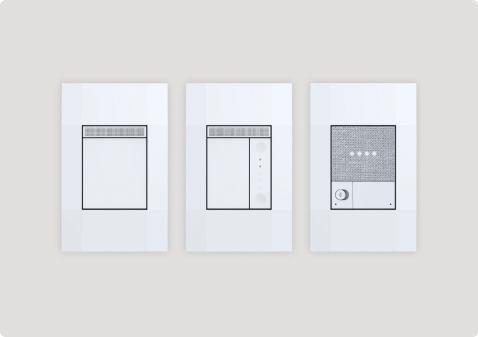
Before we answer, we want to define some terminology to avoid any confusion.
A single switch under a single faceplate is called a one-gang switch. You have a two-gang switch when you have two switches side by side under the same shared faceplate. The two switches in the two-gang switch will control different lights. Most homes include one-gang, two-gang and three-gang switches. In some rare cases homes may also contain four-gang and five-gang switches.
Simple, right? Now that you understand that, hereâs how to count the number of light switches in your home. This can be broken into two steps.
First, you will need to count the number of individual switches within each gang to calculate the total number of switches for the home.
Hereâs an example: a 2,800 square foot home has 10 one-gang switches, eight two-gang switches, five three-gang switches and no four-gang or five-gang switches.
Since: (10x1) + (8x2) + (5x3) = 31
This home will have a total of 31 switches.
Next, you need to configure the number of each type of gang switch to ensure that you receive the correct faceplates.
Using the same example as above, in this scenario you would need the 31 switches plus 10 one-gang switch faceplates, eight two-gang switch faceplates and five three-gang switch faceplates.
Hereâs a video that walks you through the process.